Choosing a hearing aid can feel complicated when you are faced with different styles, features, technology levels and fitting options. This is where hearing aid consultants can make the process easier. Rather than choosing a device based only on appearance or a list of features, a hearing care professional can consider your hearing needs, lifestyle, comfort preferences and everyday listening situations.
A personalised consultation can help you understand which hearing aid options may be appropriate for your hearing loss and how different devices could fit into your daily routine. At Total Hearing Center, hearing aid consultations include hearing assessments, discussions about individual needs, opportunities to try different devices and adjustments for comfort and performance.
How Hearing Aid Consultants Help You Understand Your Hearing Needs
The right hearing aid starts with understanding your hearing rather than simply selecting a device. Hearing aid consultants can review your hearing history and discuss the situations where you have the greatest difficulty.
For example, you may find conversations easy to follow in a quiet room but struggle in restaurants, meetings or busy family gatherings. Someone else may primarily need help hearing television dialogue or communicating over the phone.During a consultation, your hearing professional can consider factors such as:
- The type and degree of hearing loss
- Whether one or both ears require amplification
- Your typical listening environments
- Your comfort and design preferences
- Your ability to handle and maintain a device
- Features that may be useful for your daily activities
This approach helps make the selection process more personal instead of treating every hearing aid user in exactly the same way.
Why Hearing Aid Consultants Consider Lifestyle Before Technology
Modern hearing aids can include a wide range of features, but having more technology does not automatically mean that a particular device is appropriate for every person. Hearing aid consultants can help connect useful features with the situations you actually experience.
Someone who regularly attends meetings may have different priorities from someone who spends most of their time at home. Likewise, people who frequently use smartphones may want connectivity features, while others may place greater importance on straightforward controls and comfortable handling.Your consultant can discuss these preferences before suggesting suitable options.
This can help you focus on features that have practical value instead of becoming overwhelmed by technical specifications.A consultation may also include trying different hearing aids. Total Hearing Center states that patients can try different models before selecting an option and that devices can then be fine-tuned for the individual’s comfort and functionality.
Hearing Aid Consultants Can Explain Different Hearing Aid Styles
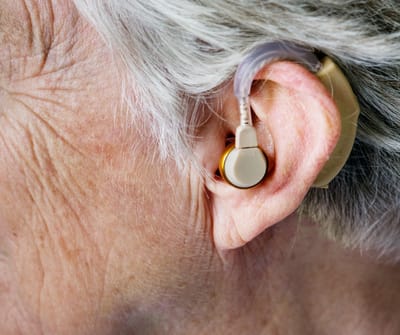
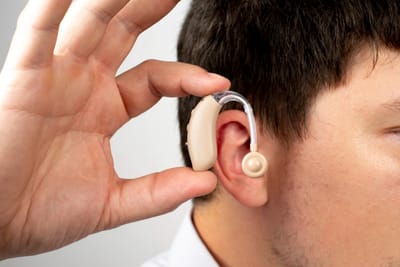
Hearing aids are available in several designs, and each style has different considerations. Common options include behind-the-ear (BTE), in-the-ear (ITE), in-the-canal (ITC) and completely-in-the-canal (CIC) devices.Hearing aid consultants can explain how these styles differ and which factors may affect your choice.
For instance, some people may prefer a smaller, more discreet design, while others may find a particular style easier to handle. The severity and pattern of hearing loss can also influence which options are suitable.For people with hearing loss that affects hearing on one side, a BICROS hearing aid may also be discussed where appropriate. This type of hearing solution can be considered as part of a personalised consultation rather than selected solely from a general product list.
How Hearing Aid Consultants Help With Fitting and Adjustments
Buying a hearing aid is not necessarily the end of the process. Proper fitting and adjustments can be important because your hearing needs, comfort and experience with amplification may change over time.Hearing aid consultants can help ensure that the device is appropriately adjusted after you begin using it.
During follow-up appointments, you can explain whether sounds seem too loud, whether speech remains difficult to understand in certain environments or whether the device feels uncomfortable.Fine-tuning can make the hearing aid more suitable for your individual requirements. Total Hearing Center notes that follow-up appointments may be needed to adjust hearing aids as circumstances change.This ongoing support is particularly useful for people who are new to hearing aids and are still becoming accustomed to amplified sound.
Hearing Aid Consultants Provide Support Beyond the Initial Purchase
Good hearing care involves more than choosing a device. Hearing aids may require cleaning, routine checks, adjustments and occasional troubleshooting.Hearing aid consultants can explain how to look after your device and what to do if you experience a problem.
Total Hearing Center provides cleaning and check-up services and also offers repair support when a hearing aid develops a defect.If your device stops working correctly, professional hearing aid repair can help identify whether the issue requires cleaning, adjustment, servicing or repair.Regular professional support can also help you avoid abandoning a hearing aid simply because of a minor fitting, maintenance or performance issue.
What to Expect From a Hearing Aid Consultation
Knowing what happens during an appointment can make the process feel more straightforward. A hearing consultation generally begins with an assessment of your hearing and a discussion about your hearing history and everyday needs.Hearing aid consultants can then use the assessment results to discuss suitable hearing solutions. You may have an opportunity to try different devices and ask questions about their features, operation and maintenance.
At Total Hearing Center, a hearing aid consultation can include a comprehensive hearing evaluation, discussion of hearing needs, hearing aid demonstrations and fitting adjustments. The practice states that consultations typically take around 60 to 90 minutes.A qualified hearing instrument specialist can also provide guidance on hearing aid technology, programming, troubleshooting and ongoing care. Total Hearing Center identifies its hearing care professionals as providing testing, programming, consultation and troubleshooting services.
Questions to Ask Hearing Aid Consultants Before Choosing a Device
A consultation is also an opportunity to ask questions. Consider discussing:
- Which hearing aid styles may suit my hearing loss?
- What features would be useful for my lifestyle?
- Will I be able to try different hearing aids?
- How will the device be fitted and adjusted?
- What maintenance will the hearing aid require?
- What support is available if the device develops a problem?
- How often should I have my hearing aids checked?
- Would a specialised option such as a BICROS hearing aid be appropriate for me?
These questions can help you understand not only the device itself but also the level of professional support available after fitting.
Choosing Hearing Aid Consultants for Personalised Guidance
Selecting a hearing aid should be based on more than appearance, brand or individual features. Hearing aid consultants can help connect your hearing assessment with your lifestyle, listening needs, comfort preferences and expectations.
A professional consultation gives you the opportunity to ask questions, compare suitable options and understand what happens after fitting. Ongoing adjustments, maintenance and repair support can also be important parts of the overall hearing care experience.If you are considering hearing aids and want personalised guidance, a consultation with experienced hearing aid consultants can help you understand the options available and make an informed choice based on your individual h