Hearing Support for Seniors: Protection, Wax Guard Tips & Ear Health
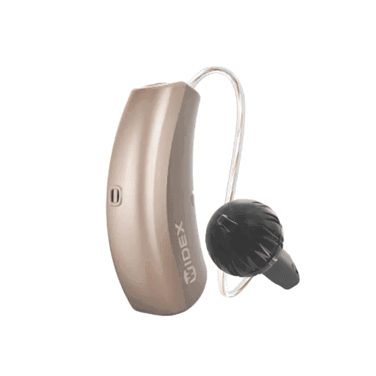
As we age, our hearing often changes—but that doesn’t mean we must accept a decline in hearing quality. Proactive care through hearing protection services, hearing aid wax guard replacement, and regular hearing tests for seniors can preserve hearing ability and boost day-to-day wellbeing. Just as important is preventing earwax buildup, which plays a surprisingly big role in senior hearing health.This blog covers how these combined services contribute to a healthier, clearer life for older adults.
Hearing Protection Services for Seniors
Loud noises are one of the most damaging factors for hearing. Whether it’s from traffic, TV volumes, or crowded places, seniors with sensitive hearing need protection more than ever. Professional hearing protection services offer custom solutions tailored to older ears.These include:
- Soft, custom-molded earplugs
- Noise-cancelling earmuffs for home or travel
- High-fidelity filters for attending events
The goal is simple—limit exposure to harmful sound levels while maintaining clarity and comfort.
Why Hearing Aid Wax Guard Replacement Is Essential
Many seniors wear hearing aids every day. Over time, earwax and moisture build up and can block sound or damage the sensitive components. Hearing aid wax guards act as filters, but they need regular replacement to stay effective.Neglecting wax guards can lead to:
- Muffled or distorted sound
- Whistling feedback in the ear
- Complete blockage of sound output
Replacing wax guards every 2–4 weeks—depending on wax production—ensures the hearing aids function at peak performance. A hearing care provider can show how to safely change them or offer quick in-clinic replacements.
Preventing Earwax Buildup: A Simple but Crucial Step
Earwax serves a protective function, but too much can become a problem, especially for hearing aid users. Seniors often experience changes in wax texture, making it harder for ears to clean themselves naturally. Preventing earwax buildup involves a few safe, daily habits:
- Avoid inserting cotton swabs into the ear canal
- Use softening drops occasionally (with medical advice)
- Keep ears dry after showering
- Schedule routine ear cleaning with a professional
Ignoring wax buildup can lead to blocked hearing, discomfort, or ear infections. When in doubt, get it checked—earwax removal is quick and painless at most clinics.
Hearing Test for Seniors: What to Expect
Hearing loss in seniors can be subtle. A regular hearing test is the best way to assess where your hearing stands and what steps you should take. It’s painless and informative.During a senior hearing assessment, you’ll experience:
- A tone test using headphones to check frequency sensitivity
- A speech recognition test to gauge clarity in noisy environments
- An otoscopic check for blockages, including earwax
These tests help detect age-related hearing loss early so solutions—like hearing aids or protective measures—can be applied immediately.
Why a Full Hearing Routine Matters
All of these services support one another. A hearing aid won’t help if it’s blocked with wax. A wax-free ear still won’t hear well if exposure to noise is damaging sensitive nerves. And hearing tests keep your care plan updated and effective.Combining services like:
- Hearing protection
- Wax guard replacement
- Regular ear checkups
- Senior hearing tests
…creates a strong hearing support system.
Conclusion
Hearing loss isn’t just about volume—it’s about clarity, confidence, and connection. Seniors who take care of their ears through hearing protection services, hearing aid wax guard replacement, and hearing tests are more likely to maintain independence and quality of life. Add in daily attention to preventing earwax buildup, and you have a well-rounded, effective hearing care plan.
