
Hearing health isn’t just about getting the right device or therapy — it’s about protecting and maintaining your hearing over the long term. From hearing aid protection to earwax buildup treatment and sound therapy for tinnitus, there are multiple ways to keep your hearing at its best.In this guide, we’ll explore how each of these services works, why they matter, and how they can help you maintain clearer, more comfortable hearing.

Hearing Aid Protection: Keeping Your Devices Safe

Hearing aids are a significant investment in your quality of life, and protecting them is essential for long-term performance. Hearing aid protection refers to both physical and electronic safeguards that extend the life of your devices.Tips for effective hearing aid protection:

  1. Moisture Control – Use a dehumidifier case at night to prevent corrosion.
  2. Impact Prevention – Always remove your hearing aids before sports or heavy physical work.
  3. Cleaning Routine – Wipe them daily with a soft, dry cloth to remove wax and oils.
  4. Travel Safety – Keep them in a protective case when not in use.

Some providers offer extended warranties or insurance plans for hearing aids, covering accidental damage or loss — a smart move if you want peace of mind.

Earwax Buildup Treatment: Clear the Way for Better Hearing

Earwax is your body’s natural defense against dust, dirt, and bacteria. However, too much can cause discomfort, hearing loss, and even damage to hearing aids. Signs you might need earwax buildup treatment:

  • Muffled hearing
  • Fullness or pressure in the ear
  • Earache or irritation
  • Feedback or whistling from hearing aids

Safe earwax removal methods include:

  • Professional Irrigation – Gently flushing the ear with warm water
  • Microsuction – Using a small vacuum to remove wax without water
  • Curette Removal – Carefully scooping out wax under magnification

Avoid cotton swabs — they can push wax deeper and cause more blockage. Regular cleaning from a hearing care professional helps maintain both your ear health and your hearing aid performance.

Sound Therapy for Tinnitus: Finding Relief from Ringing Ears

Tinnitus — often described as ringing, buzzing, or hissing in the ears, affects millions of people. While it’s not always curable, sound therapy for tinnitus can significantly reduce the impact it has on your daily life.

How sound therapy works:

  • Masking Sounds – White noise or nature sounds help cover the tinnitus noise.
  • Notched Music Therapy – Customized music removes the tinnitus frequency to retrain the brain.
  • Hearing Aids with Tinnitus Features – Some devices combine amplification with soothing sound generators.

Sound therapy doesn’t eliminate tinnitus completely, but it helps you shift your focus away from it, reducing stress and improving sleep.

How These Services Work Together

Hearing aid protection, earwax removal, and tinnitus therapy may seem unrelated, but they’re often part of the same hearing care plan.

  • Earwax buildup can block sound and cause hearing aids to work harder, leading to repairs.
  • Unprotected hearing aids are more likely to be damaged by moisture, debris, and wax.
  • Tinnitus symptoms can feel worse when hearing aids are dirty or not functioning properly.

By addressing all three, you improve device performance, protect your hearing, and enjoy a better quality of life.

Why Professional Care Matters

DIY solutions for earwax or tinnitus can be tempting, but they’re often risky. Using over-the-counter drops incorrectly or trying to dig out wax at home can lead to infections or eardrum damage. Similarly, online tinnitus “miracle cures” are usually unproven.A licensed hearing care provider can:

  • Safely remove earwax without injury
  • Fit your hearing aids with protective accessories
  • Create a customized sound therapy plan for tinnitus relief

Maintaining Long-Term Hearing Health

Once you have your hearing aids protected, ears clear, and tinnitus under control, keep them that way with routine habits:

  • Schedule professional cleanings every 6–12 months
  • Store hearing aids in a moisture-proof case at night
  • Use wax guards and filters for extra device protection
  • Avoid prolonged exposure to loud noise without hearing protection

Hearing is a long-term investment — treat it like one.

Conclusion

Better hearing isn’t just about wearing a device — it’s about taking care of your ears and your technology. By focusing on hearing aid protection, earwax buildup treatment, and sound therapy for tinnitus, you can keep your hearing clear, your devices working longer, and your quality of life high.In short: protect, clean, and soothe — your ears will thank you.

FAQs

1. How often should I get my ears checked for wax buildup?

Most people benefit from a check-up every 6–12 months, but if you wear hearing aids, you may need more frequent visits.

2. Can I use over-the-counter earwax removal drops?

You can, but it’s safer to have a professional check your ears first to avoid pushing wax deeper.

3. Does hearing aid protection include insurance?

Some providers offer insurance or extended warranties that cover loss, theft, or damage — ask your hearing specialist for details.

4. Will sound therapy cure my tinnitus?

Sound therapy doesn’t cure tinnitus, but it can make symptoms much more manageable.

5. Can earwax cause tinnitus?

Yes — impacted earwax can sometimes create or worsen tinnitus symptoms, and removing it can provide relief.
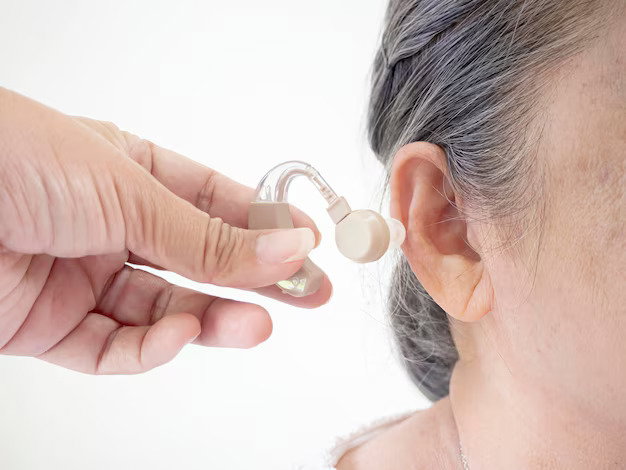

Hearing loss is a growing concern, and many people rely on hearing aids to maintain communication and quality of life.

Hearing loss is a growing concern, and many people rely on hearing aids to maintain communication and quality of life. But to get the most from your devices, you must care for your ears and aids equally. That’s where hearing aid protection, earwax prevention, and tinnitus management techniques come in.Together, they form a trio of strategies that help preserve your hearing, improve aid performance, and reduce discomfort. In this guide, we’ll explore each one in detail—plus how they overlap to affect your hearing wellness.

Section 1: Hearing Aid Protection – Avoiding Costly Mistakes

Hearing aids are small, powerful devices—but also fragile and expensive. Proper hearing aid protection helps avoid sudden breakdowns, poor performance, and costly repairs.

Common Risks to Hearing Aids:

  • Earwax buildup in the receiver or microphone
  • Moisture from sweat, rain, or humidity
  • Physical damage from drops or mishandling
  • Exposure to debris or hair products

How to Protect Your Hearing Aids:

  1. Daily cleaning using a soft cloth and cleaning brush
  2. Use wax guards and replace them regularly
  3. Dry them overnight with a hearing aid dryer or dehumidifier
  4. Keep them away from water—remove during bathing or swimming
  5. Handle with care—store in a hard case when not in use

Neglecting these basic care habits can significantly shorten your hearing aids' lifespan and reduce audio clarity.

Section 2: Earwax Prevention – The Silent Culprit

While earwax plays a protective role, too much can lead to blockages, hearing loss, discomfort, and even tinnitus symptoms. Worse, earwax is the leading cause of hearing aid malfunction.

Symptoms of Earwax Buildup:

  • A feeling of fullness or pressure in the ear
  • Itching or irritation
  • Decreased hearing ability
  • High-pitched feedback in hearing aids
  • Ringing sounds (tinnitus)

Earwax Prevention Tips:

  1. Do not use cotton swabs inside your ears – they push wax deeper
  2. Use gentle ear drops – olive oil or saline-based to soften wax
  3. Visit a professional for routine ear cleaning
  4. Use earwax filters or guards in hearing aids to prevent clogging

A healthy ear canal self-cleans slowly, but for hearing aid users or those prone to blockages, preventative action is vital.

Section 3: Tinnitus Management Techniques – Restoring Peace of Mind

Tinnitus affects 1 in 10 people and can cause serious emotional and physical distress. It's commonly experienced as a ringing, buzzing, or hissing sound in one or both ears.

Tinnitus May Be Caused By:

  • Hearing loss
  • Earwax blockage
  • Exposure to loud noise
  • Head or neck injury
  • Medication side effects
  • Stress and anxiety

Though there is no one-size-fits-all cure, tinnitus management techniques can significantly reduce its impact.

Best Tinnitus Management Strategies:

  1. Sound masking – Play background sounds or white noise, especially at bedtime
  2. Tinnitus retraining therapy (TRT) – Combines counseling and sound therapy
  3. Cognitive behavioral therapy (CBT) – Helps you reframe the emotional response to tinnitus
  4. Relaxation techniques – Yoga, meditation, or breathing exercises can reduce perception
  5. Hearing aids – Amplify ambient sound, often reducing focus on tinnitus

Tinnitus is deeply personal, but most people find relief by combining two or more of the above techniques.

How All Three Are Connected

Many people treat these hearing issues as separate—but they’re often closely linked.

  • Earwax buildup can block your hearing aid, create pressure, or trigger tinnitus.
  • Damaged hearing aids can emit feedback or distortion, worsening tinnitus perception.
  • Tinnitus stress may make you more sensitive to even minor hearing aid issues or discomfort.

When treated together, they form a preventative strategy for hearing health that keeps both your ears and devices working optimally.

Real-Life Scenario: Lisa’s Story

Lisa, a 64-year-old hearing aid user, experienced poor device function and a persistent ringing in her ears. She assumed her hearing aids were faulty, but her audiologist found that earwax had blocked both the aids and her ear canals.After a professional cleaning and fitting new wax guards, Lisa also began using sound therapy to manage her tinnitus symptoms. Her hearing improved dramatically, and the ringing faded to a manageable level.

3 Key Insights

  1. Clean ears = better hearing and longer-lasting hearing aids.
  2. Tinnitus can be controlled using sound and mental therapy.
  3. Hearing aid care must include earwax prevention steps.

FAQs About Hearing Aid Protection, Wax & Tinnitus

1. How often should I clean my hearing aids?

Clean them daily and deep clean weekly. Also, replace wax guards every few weeks or sooner if buildup occurs.

2. Are ear drops safe for wax prevention?

Yes, use drops specifically designed for ears. Avoid hydrogen peroxide unless advised by a doctor.

3. What’s the best way to manage tinnitus at night?

Sound machines with white noise or nature sounds can mask tinnitus and help you fall asleep easier.

4. Can hearing aids reduce tinnitus?

Absolutely. They can amplify external sound, making the internal ringing or buzzing less noticeable.

5. What’s the biggest mistake people make with hearing aids?

Exposing them to moisture and failing to clean them regularly. This leads to malfunction and poor performance.

Final Thoughts: Take Control of Your Hearing Health

Whether you’re new to hearing aids or a long-time user, prioritizing hearing aid protection, earwax prevention, and tinnitus management techniques will significantly improve your hearing experience. The goal is not just to hear better—but to live more comfortably and confidently.Start by:

  • Cleaning your hearing aids daily
  • Practicing safe ear hygiene
  • Using proven tinnitus relief strategies

Remember, healthy ears and well-maintained devices make a powerful combination.If symptoms persist or worsen, consult with a licensed audiologist. Proactive care today means fewer complications tomorrow.

I BUILT MY SITE FOR FREE USING